
Pilot Season
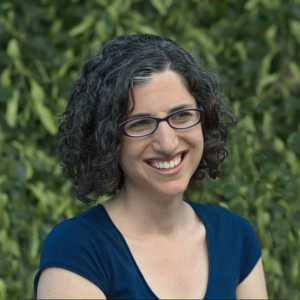
Julie Weise
Producer

Erik Valera
Producer
Hey y’all, we are Nuestro South! We are Daisy, Bryan, and Axel. Somos Latinos…Latinas…Latinxs, and we grew up in the South. Over the course of our series, we’ll discuss family, food, school, and our personal experiences of growing up in the south. Together we create a space that attempts to make sense of the past, present, and future of our people in the south. This is for us y’all!
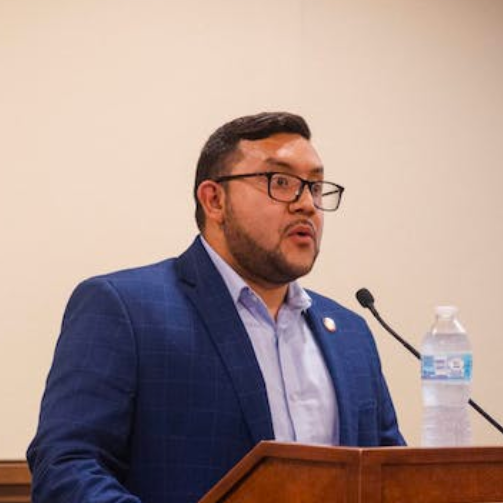
Ricky Hurtado
Producer
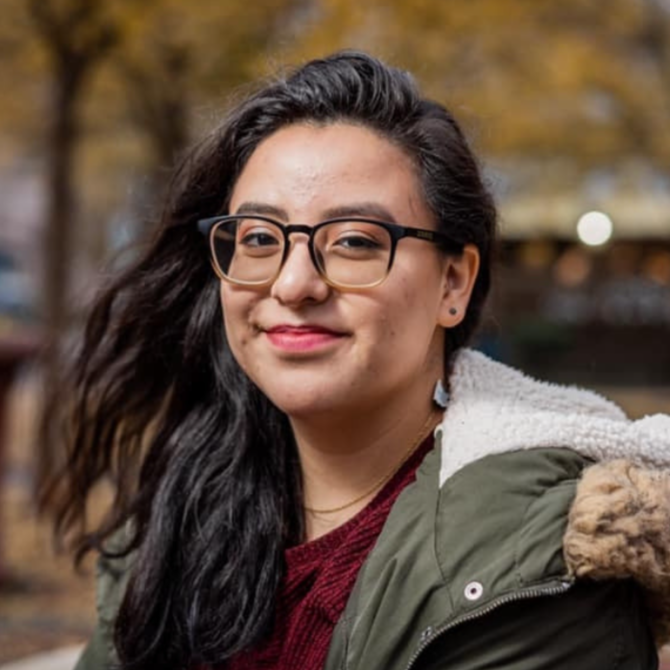
Dorian Gomez
Producer

Axel Herrera
Host
Daisy Almonte
Host

Bryan Mejia
Host
Playlist
Listen on Your Favorite App









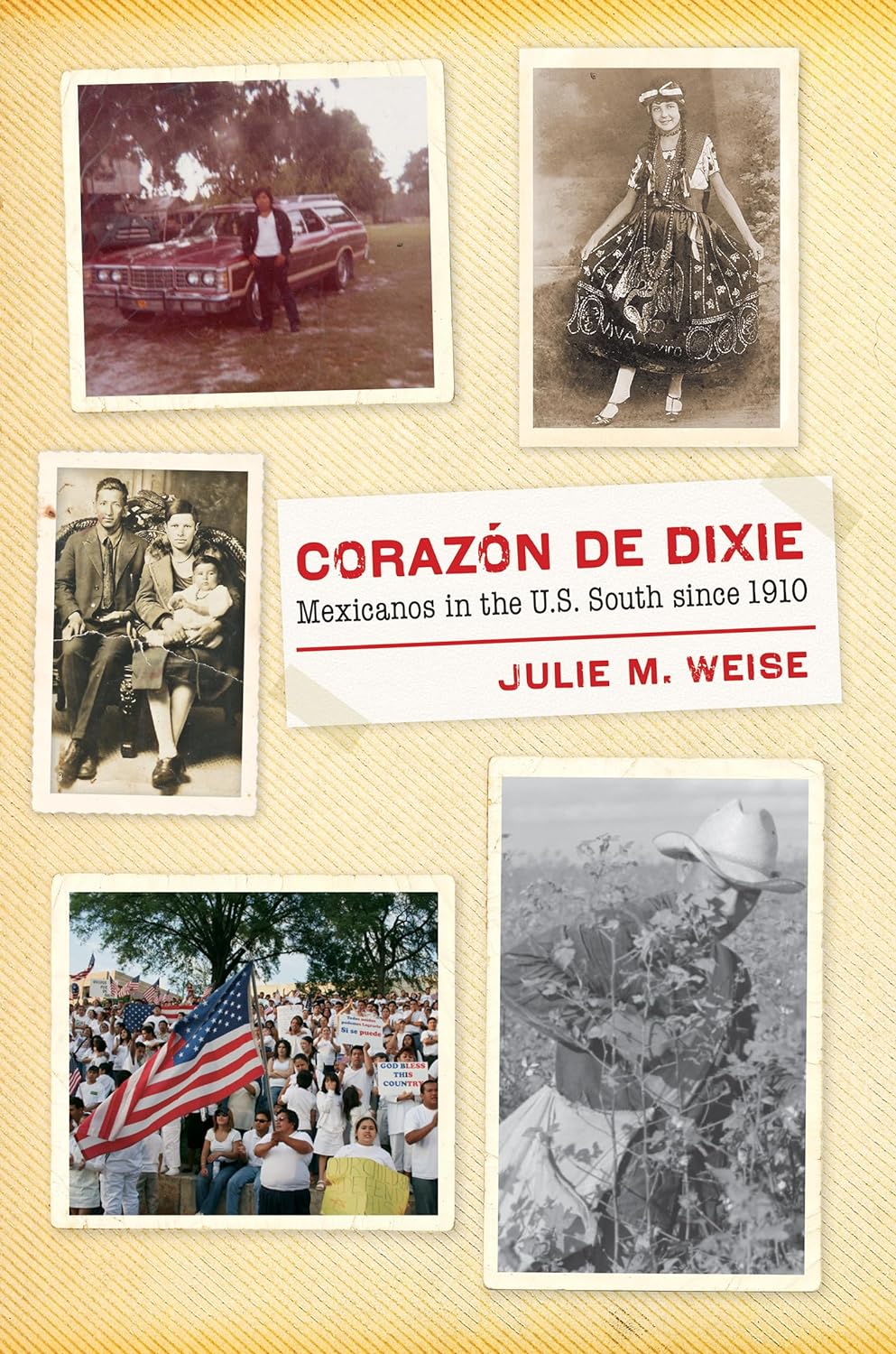
The first season of Nuestro South set the foundation for what it takes to bridge academic scholarship, local community leadership, young storytellers, and digital media. This part of the project required a leap of faith that there was an audience willing to engage with this scholarship and storytelling and that there were young folks also interested in being the voices and producers of it. Through the strong partnership with community leaders and organizations like LatinxEd, the initial core Nuestro South crew first assembled over a table conversation discussing Corazon de Dixie which led to successive discussions of audience, branding, and storytelling.
None of the original producer, editors, or storytelling crew had made a podcast and none of the fact based historical narratives had yet been adapted for audio. We relied deeply on the connection and experience of our young storytellings with the stories and narratives from Corazon de Dixie. This reflection helped inform the themes that our broader audience could connect with and we also allowed space for the host’s personal experiences to enrich the discussion of how the history they were engaging with informed their now.
In summary, the first season of Nuestro South affirmed that there was an audience that connected with our collective history and has been navigating what it means to be Latinx folks growing up in the South. We learned how podcasting works before everyone was trying to start one. In the midst of increased restrictions to an adequate representative history in our academic spaces, we pushed past the barriers imposed by institutions to ensure young southern latinos could access their history where they spend their time already–their phones.
